
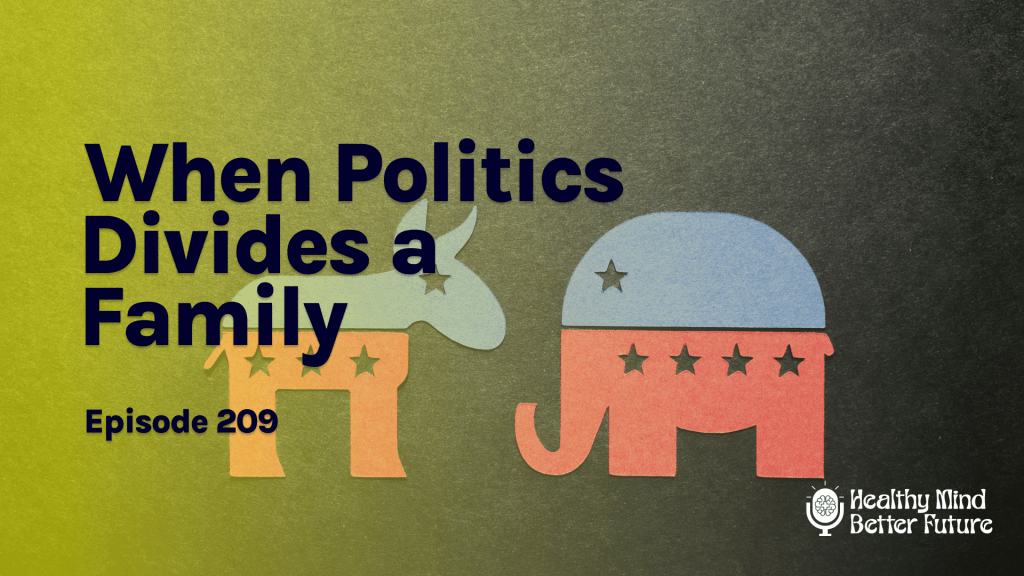
For many African immigrant families, politics is never just politics. It carries history, identity, pain, and hope. Around dinner tables and on family group chats, political conversations that begin as debates about leaders or policies can quickly turn into personal attacks, silence, or long-lasting resentment. For families already navigating the stress of migration, this division can quietly fracture bonds that once felt unbreakable.
Immigrant parents often view politics through the lens of survival. They may support certain leaders or ideologies because they represent stability, tradition, or memories of home. Younger family members, shaped by life in the diaspora, may prioritize different values—social justice, accountability, or progressive change. When these perspectives clash, it can feel like more than disagreement; it can feel like a rejection of lived experience on both sides.
The real danger is not differing opinions, but how those differences are handled. When politics becomes a measure of loyalty or intelligence, family members stop listening. Conversations turn into shouting matches or complete avoidance. Over time, love is replaced with tension, and emotional distance grows.
For the Healthy Mind Better Future community, the lesson is this: protecting mental and emotional health sometimes means redefining how we engage. Boundaries are not disrespect. Choosing empathy over winning an argument is not weakness. Families can disagree politically and still remain connected—if they center respect, curiosity, and compassion.
Healing begins when we remember that no election, party, or ideology is worth losing the people who call us family.
Panelists
Dr. Adeyemi Fatoki
Dr. Caroline Olaleye
Dr. Kenneth Soyemi
Contributors
Mrs. Dorcas Fatoki
Mr. Funmi Onayemi
Host
Funmi Apantaku-Onayemi
Visit our website – https://healthymindbetterfuture.com
Email us – hmbf.podcast@gmail.com
 Healthy Mind Better Future
Leave a comment